PillsDrop Home

Category

Home Health & Safety

8 articles

When Convenience Becomes Costly: A Critical Look at Auto-Refill Programs and How to Take Back Control

When Convenience Becomes Costly: A Critical Look at Auto-Refill Programs and How to Take Back Control

Auto-refill programs are sold as a convenience feature, and for many patients they genuinely are. But for others, they quietly become a source of medication accumulation, wasted spending, and safety risk — particularly when dosages change or treatments are discontinued. This article examines the mechanics of automatic refill systems, the conditions under which they cause harm, and the practical steps patients can take to audit and recalibrate their own refill patterns.

The Quiet Drain on Your Wallet: How Medication Waste Accumulates—and How Smarter Delivery Can Help Reverse It

The Quiet Drain on Your Wallet: How Medication Waste Accumulates—and How Smarter Delivery Can Help Reverse It

Americans discard billions of dollars worth of unused medications every year, a problem that quietly compounds in medicine cabinets across the country. Expired pills and abandoned prescriptions represent not only a financial loss but a disposal challenge with real environmental consequences. Modern pharmacy delivery services are uniquely positioned to reduce this waste through more precise dispensing, smarter refill management, and closer patient engagement.

Brand Name vs. Generic: The Science Behind the Switch and When to Question It

Brand Name vs. Generic: The Science Behind the Switch and When to Question It

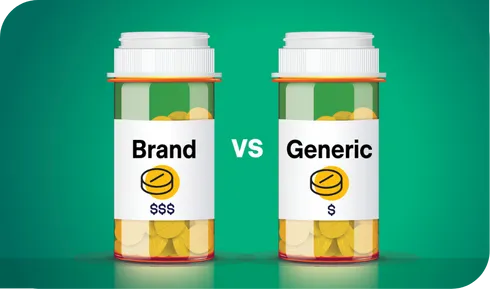
When a pharmacy substitutes a generic medication for a brand-name prescription, most patients accept the change without a second thought — or resist it without a clear reason. The truth lies somewhere more nuanced: FDA-approved generics are rigorously tested for equivalence, yet a small subset of patients and medications warrant a closer look before making the switch. This guide explains the science, the exceptions, and how to have an informed conversation with your pharmacy.

When the Label Gets It Wrong: How Pharmacy Packaging Errors Put Patients at Risk

Medication labeling mistakes are far more common than most patients realize, and the consequences range from missed doses to life-threatening drug interactions. Understanding what to look for on your prescription bottle — and what to demand from your pharmacy — could be one of the most important health decisions you make. Here is what every patient should know before their next refill.

Your Medicine Cabinet Is Probably a Safety Hazard — Here's How to Fix It Before Summer

Your Medicine Cabinet Is Probably a Safety Hazard — Here's How to Fix It Before Summer

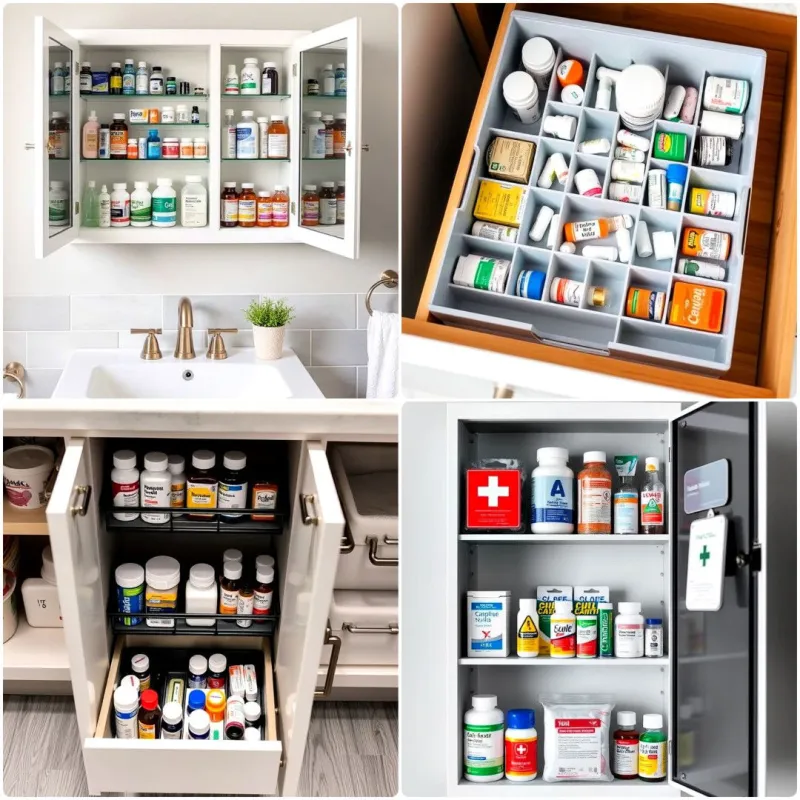
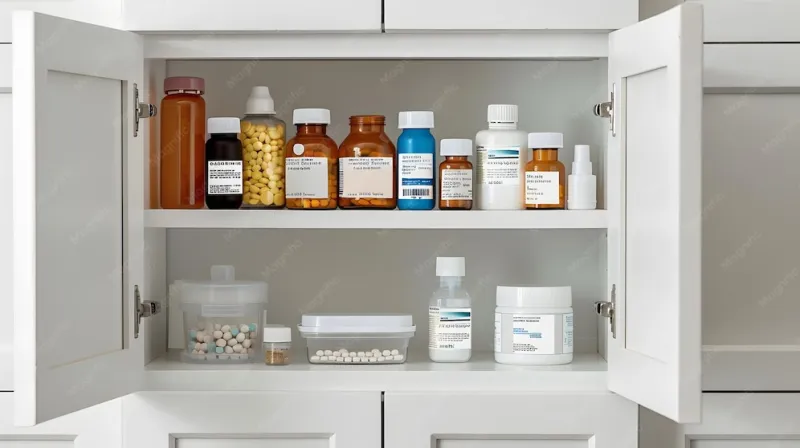
Most American households contain expired medications, improperly stored prescriptions, and forgotten drugs that pose real risks to everyone in the home. A seasonal audit of your medicine cabinet takes less than an hour and could prevent accidental poisoning, dangerous drug interactions, and degraded medications that no longer work as intended. Follow this pharmacist-reviewed checklist to get your household pharmacy organized, safe, and compliant with current FDA disposal guidelines.